

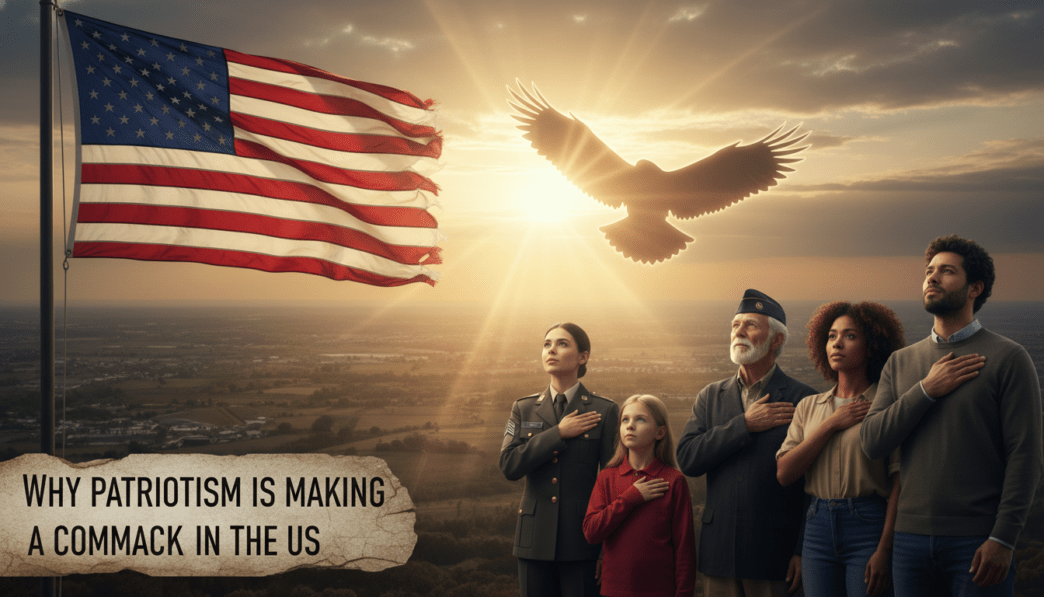
In recent years, discussions around patriotism in the United States have often been complex, sometimes even divisive. However, a noticeable shift is underway, prompting many to ask: Why patriotism is making a comeback in the US? This resurgence isn’t about blind allegiance but a more nuanced, reflective form of national pride that is gaining traction across various demographics. It reflects a deeper yearning for unity, shared purpose, and a renewed appreciation for the nation’s foundational ideals.
This article will explore the multifaceted reasons behind this resurgence, examining the societal, cultural, and generational shifts contributing to a revitalized sense of American patriotism.
The Evolving Landscape of American Patriotism
Patriotism, at its core, is a love for one’s country and a willingness to defend it. For decades, the concept has been debated, with some associating it with nationalism or specific political ideologies. Yet, a broader, more inclusive understanding is emerging. This new wave of patriotism emphasizes:
- Civic engagement: A desire to participate actively in improving the nation.
- Shared identity: Recognizing common bonds despite differences.
- Constructive criticism: The belief that loving one’s country also means striving to make it better.
This evolving landscape suggests that Americans are finding new ways to express their pride, moving beyond traditional symbols to embrace more profound expressions of civic duty and community spirit.
Global Challenges and the Call for Unity: A Key Reason Why Patriotism Is Making a Comeback in the US
External pressures and global events often serve as powerful catalysts for national unity. In times of uncertainty, people naturally gravitate towards shared identities and collective strength. This phenomenon is a significant factor in why patriotism is making a comeback in the US.
Responding to Geopolitical Tensions
The past few years have seen a complex international landscape, marked by geopolitical tensions and shifts in global power dynamics. When the nation faces external threats or challenges, a sense of collective identity and purpose tends to strengthen.
- Increased awareness of global conflicts and their potential impact on American security.
- A renewed appreciation for the stability and freedoms enjoyed within the U.S.
- The instinct to rally together in the face of perceived external adversaries, fostering a sense of shared destiny.
Economic Uncertainties and Resilience
Economic fluctuations, both domestically and globally, can also play a role. When economic stability is challenged, there’s often a push to support local industries, national initiatives, and a collective effort to overcome financial hurdles. This resilience is a form of patriotism, demonstrating a commitment to the nation’s economic well-being and future prosperity.
Reconnecting with Foundational American Values
Beyond external factors, there’s an internal drive to reconnect with the core principles that define the United States. Many Americans are seeking to reaffirm the values of liberty, justice, and opportunity, viewing them as essential to the nation’s character.
Emphasizing Community and Unity
In an increasingly polarized world, there’s a strong desire for community and unity. People are searching for common ground and shared experiences that transcend political divides. This quest for cohesion often manifests as a renewed appreciation for:
- Local initiatives: Volunteering, community events, and supporting local businesses.
- National symbols: Finding common meaning in national holidays, flags, and anthems.
- Shared narratives: Highlighting stories of American resilience, innovation, and progress.
This emphasis on “we” over “me” fosters a sense of collective responsibility and pride in the nation’s social fabric.
Celebrating Shared History and Heritage
A deeper engagement with American history, acknowledging both its triumphs and its struggles, is also contributing to this resurgence. Understanding the journey of the nation, its diverse heritage, and the sacrifices made to build it can inspire a profound sense of gratitude and belonging. Educational efforts and cultural initiatives that highlight different facets of American history are helping to create a more comprehensive and inclusive narrative of national identity.
Cultural Influences and the Digital Age
Culture plays a pivotal role in shaping public sentiment, and various cultural expressions are contributing to the renewed interest in patriotism. From traditional media to the vast expanse of the internet, narratives of national pride are finding new avenues.
Social Media’s Dual Impact
Social media platforms, while often criticized for fostering division, also serve as powerful tools for collective expression and mobilization.
- Positive Storytelling: Campaigns celebrating American achievements, historical milestones, or acts of heroism can go viral, fostering shared pride.
- Community Building: Online groups and discussions centered on national identity, civic duty, or support for national causes can strengthen patriotic sentiments.
- Raising Awareness: Social media can quickly disseminate information about national challenges, prompting calls for collective action and demonstrating a shared commitment to solutions.
Sports, Arts, and Everyday Expressions
The arts, sports, and everyday life continue to be potent vehicles for patriotic sentiment. Major sporting events, national anthems, and artistic works celebrating American themes can evoke powerful emotions and a sense of shared identity. Even subtle expressions, like displaying the flag or participating in local parades, contribute to a visible and tangible return of patriotic fervor.
A New Generation’s Patriotism: Redefining National Pride
Perhaps one of the most compelling aspects of this comeback is how younger generations are engaging with patriotism. This isn’t a return to older forms of nationalism but rather a redefinition of what it means to be proud of America. For many young people, patriotism is less about unquestioning loyalty and more about:
- Activism and Advocacy: A deep commitment to improving the country by addressing social injustices, environmental issues, and economic inequalities.
- Inclusivity: A belief that true American strength lies in its diversity and the equal treatment of all its citizens.
- Global Citizenship: Understanding America’s role in the world and advocating for policies that benefit humanity, alongside national interests.
- Civic Responsibility: Actively participating in democratic processes, from voting to community organizing, to shape the nation’s future.
This “critical patriotism” suggests a love for the country that is strong enough to hold it accountable, pushing for progress and living up to its stated ideals.
Conclusion
The question of why patriotism is making a comeback in the US reveals a complex and evolving answer. It’s a confluence of global challenges fostering unity, a collective desire to reconnect with foundational values, the pervasive influence of culture, and a new generation redefining what national pride truly means. This resurgence isn’t a monolithic movement but a diverse expression of love for country, characterized by a desire for a stronger, more unified, and continually improving America. It signals a hopeful trend towards a more engaged and collectively responsible citizenry.
Call to Action
How do you express your patriotism? Share your thoughts and experiences in the comments below, or consider engaging with local community initiatives to contribute to the ongoing story of American pride and progress.