
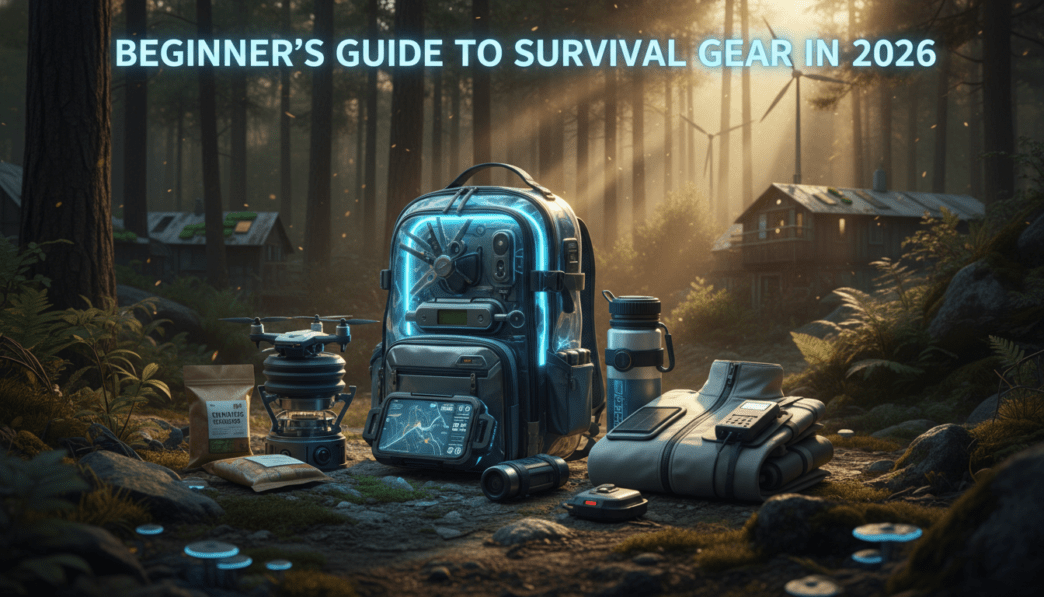
In an increasingly unpredictable world, the concept of preparedness is shifting from a niche hobby to a mainstream necessity. From unexpected natural disasters to power grid failures or even simple roadside emergencies, having the right resources can make all the difference. This Beginner’s Guide to Survival Gear in 2026 is designed to equip you with the knowledge and confidence to build a practical, effective survival kit tailored for modern challenges.
Being prepared isn’t about succumbing to fear; it’s about embracing peace of mind and self-reliance. We’ll walk you through the foundational items, modern technological advancements, and crucial skills that will empower you to face unforeseen circumstances head-on.
Why Preparedness Matters More Than Ever
The landscape of potential emergencies is constantly evolving. Climate change brings more extreme weather events, technological dependencies create new vulnerabilities, and global events can have local impacts. Building a survival kit isn’t just for adventurers; it’s a smart strategy for every household.
- Unexpected Events: Earthquakes, floods, wildfires, hurricanes, or even prolonged power outages can strike with little to no warning.
- Self-Reliance: In the immediate aftermath of a widespread disaster, emergency services may be overwhelmed. Your ability to care for yourself and your loved ones becomes paramount.
- Peace of Mind: Knowing you have a plan and the necessary resources can significantly reduce anxiety and stress during a crisis. It empowers you to act rather than react.
The Foundational Five: Core Survival Categories for 2026
When it comes to survival, some essentials remain timeless. These five categories form the absolute bedrock of any effective survival kit, regardless of the year. Prioritizing these areas ensures you can meet your most immediate needs.
Securing Your Water Supply
Water is the most critical element for survival; a human can only survive about three days without it. Aim for at least one gallon of water per person per day for drinking and sanitation.
- Water Purification Tablets/Filter: Modern portable filters like the Sawyer Mini or Lifestraw are compact, lightweight, and highly effective. For larger groups, a gravity filter can process more water.
- Durable Containers: Stainless steel water bottles or collapsible bladders are essential for collecting and storing water.
- Knowledge of Sources: Understanding how to identify and safely collect water from natural sources is a vital skill.
Essential Shelter Solutions
Protection from the elements is crucial for preventing hypothermia or heatstroke, which can quickly become life-threatening.
- Emergency Blanket/Bivy Sack: These lightweight, compact items reflect body heat, offering vital warmth. A bivy sack provides more comprehensive protection than a blanket.
- Tarp: A versatile item that can be fashioned into a temporary shelter, used as a ground cover, or even for collecting rainwater.
- Tent (Optional): For a more robust, longer-term kit, a small, durable tent can offer superior protection, but it adds significant weight and bulk.
Fire Starting Essentials
Fire provides warmth, light, a means to cook food, purify water, and can act as a psychological morale booster.
- Waterproof Lighter/Matches: Reliable igniters are fundamental. Store them in a waterproof container.
- Ferro Rod: A ferrocerium rod provides a consistent, high-temperature spark even in wet conditions, making it an excellent backup.
- Tinder: Carry easily ignitable materials such as cotton balls soaked in petroleum jelly, dryer lint, or commercial fire starters.
Non-Perishable Food Options
While you can survive longer without food than water, sustenance provides energy, maintains morale, and supports critical bodily functions.
- High-Calorie Energy Bars: Compact, long-lasting, and designed to provide quick energy. Look for options with a long shelf life.
- Dehydrated Meals: If you have a reliable water source, these are lightweight and offer a variety of flavors and nutrients.
- Canned Goods: Excellent for home-based kits, but heavy for portable packs. Prioritize high-protein and high-calorie options.
- Fishing Line & Hooks: For advanced kits, these can provide a means to procure food in a wilderness scenario.
Comprehensive First Aid Kit
Injuries and illnesses are common in emergencies. A well-stocked first aid kit, combined with basic medical knowledge, can prevent minor issues from becoming major problems.
- Basic Supplies: Bandages, antiseptic wipes, pain relievers, allergy medication, gauze, medical tape.
- Personal Medications: Ensure you have at least a 7-day supply of any prescription medications.
- Advanced Items: Consider a tourniquet, splint materials, and a pocket mask for CPR.
- First Aid Manual: A waterproof guide can be invaluable if internet access is unavailable.
Modern Must-Haves: Survival Gear for the Digital Age in 2026
While the foundational five are timeless, the year 2026 brings new technologies and considerations that can significantly enhance your preparedness. Integrating smart tech and versatile tools can give you a crucial edge.
Smart Tech for Survival
Staying connected, informed, and powered up is increasingly vital in modern emergencies.
- High-Capacity Power Bank: Essential for charging smartphones, headlamps, and other USB-powered devices. Look for capacities of 20,000mAh or more.
- Solar Charger: A portable solar panel can provide a renewable power source, especially useful in prolonged outages or remote areas.
- Hand-Crank/Solar Radio: A multi-band radio with NOAA weather alerts is crucial for staying informed when traditional communication fails. Many also include a flashlight and USB charging port.
- GPS Device/Smartphone with Offline Maps: Don’t rely solely on cell service. Download offline maps for your area (e.g., Google Maps, Gaia GPS) and consider a dedicated GPS unit for true redundancy.
- Satellite Messenger: Devices like Garmin inReach or Zoleo offer two-way text communication and SOS capabilities even when off-grid, a significant advancement for remote survival.
- Signal Whistle: A simple, yet incredibly effective tool for attracting attention over long distances.
Multi-Purpose Tools
Efficient use of space and weight means choosing tools that can perform multiple functions.
- Multi-Tool: A high-quality multi-tool (pliers, knife, saw, screwdriver) can replace a whole toolbox in a compact form.
- Fixed-Blade Knife: A sturdy, full-tang fixed-blade knife is more robust than a folding knife for heavier tasks like batoning wood or preparing game.
- Duct Tape: Often called “the ultimate survival tool,” duct tape has countless uses, from repairing gear to makeshift first aid.
- Paracord: 550-lb test paracord is incredibly strong and versatile. It can be used for shelter building, securing items, fishing line, or even as a tourniquet.
- Headlamp/Flashlight: Hands-free illumination is invaluable. Choose LED options for long battery life and carry spare batteries.
Building Your Kit: A Step-by-Step Approach
Creating a survival kit can seem daunting, but by breaking it down into manageable steps, you can build a comprehensive and personalized setup without feeling overwhelmed.
- Assess Your Needs: Consider your geographical location, local risks (earthquakes, hurricanes, blizzards), and specific family requirements (infants, elderly, pets, medical conditions).
- Start Small, Scale Up: Begin with the absolute essentials from the “Foundational Five.” You don’t need everything at once. Gradually add items over time.
- Budget Smart: Preparedness doesn’t have to break the bank. Many items can be found affordably, and some you may already own. Prioritize quality for critical items.
- Practice & Test: Owning gear is one thing; knowing how to use it is another. Practice setting up your shelter, starting fires, and using your first aid kit before an emergency strikes.
- Regularly Review & Update: Check expiration dates on food and medications, test batteries, and ensure all gear is in working order. As we head into 2026, research new advancements or more efficient gear that might improve your kit.
The Ultimate Survival Gear: Knowledge and Skills
While physical gear is important, the most crucial survival tool you possess is your mind, combined with practical knowledge and skills. No amount of equipment can replace the ability to think critically and adapt.
- First Aid Training: Learn CPR, basic wound care, how to treat burns, and recognize symptoms of common illnesses. Consider advanced wilderness first aid courses.
- Navigation: Master map and compass skills. Understand how to use a GPS device and read natural indicators.
- Fire Starting: Practice starting fires using various methods, including primitive techniques.
- Water Purification: Beyond filters, learn boiling techniques and how to build a solar still.
- Knot Tying: Essential for shelter building, securing loads, and creating traps.
- Basic Shelter Building: Practice constructing simple shelters from natural materials or tarps.
Conclusion
Embarking on your preparedness journey with this Beginner’s Guide to Survival Gear in 2026 is a proactive step towards a more secure future. Remember, preparedness is a continuous process, not a one-time event. By focusing on essential gear, embracing modern advancements, and honing critical skills, you empower yourself and your loved ones to navigate whatever challenges lie ahead. Start small, learn continually, and build your confidence one piece of gear and one skill at a time.