

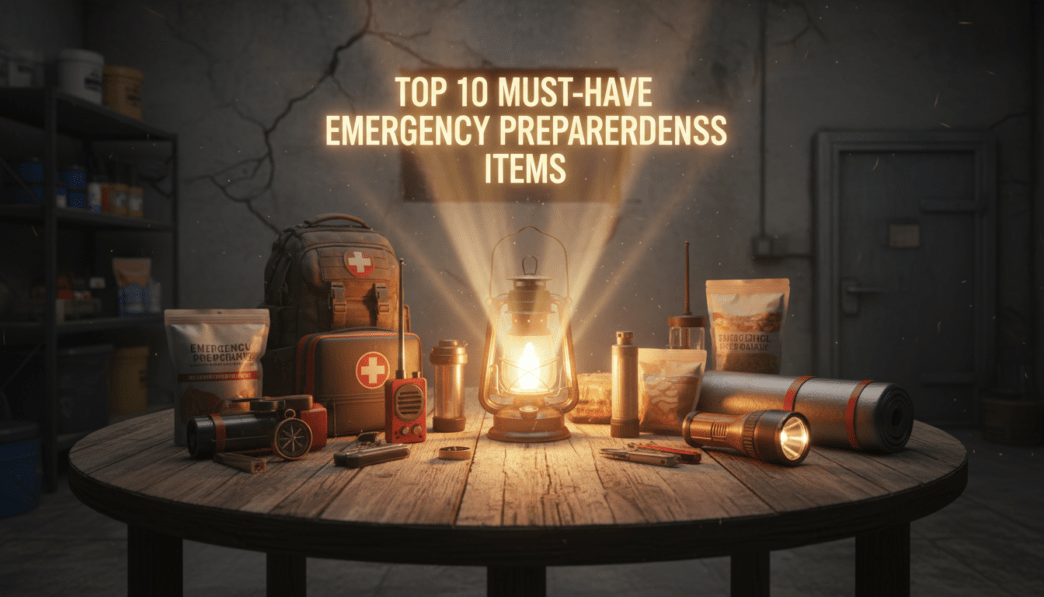
Life is unpredictable, and while we hope for the best, preparing for unexpected events is a fundamental step towards ensuring the safety and well-being of ourselves and our loved ones. From natural disasters like floods and earthquakes to unexpected power outages or severe storms, having a well-stocked emergency kit can make all the difference. This guide will walk you through the Top 10 Must-Have Emergency Preparedness Items, helping you build a foundation for resilience and peace of mind.
Why Emergency Preparedness Matters
The initial hours and days following an emergency can be chaotic. Essential services might be disrupted, and help may not be immediately available. In such scenarios, your ability to be self-sufficient becomes paramount. Emergency preparedness isn’t about fear; it’s about empowerment. It’s about having the basic necessities to sustain yourself and your family until normal services resume or professional help arrives.
Being prepared can:
- Minimize panic and stress during a crisis.
- Ensure access to critical supplies when stores might be closed or inaccessible.
- Protect your family’s health and safety.
- Provide a sense of control in uncontrollable situations.
The Core of Your Emergency Kit: The Top 10 Must-Have Emergency Preparedness Items
Building an emergency kit doesn’t have to be overwhelming. Focus on the essentials that address your most basic needs for survival: water, food, shelter, and first aid. Here are the Top 10 Must-Have Emergency Preparedness Items that every household should consider.
1. Water (and Purification)
Water is the single most critical item for survival. You need at least one gallon of water per person per day for drinking and sanitation. A three-day supply is a good starting point, but aiming for a two-week supply is even better.
- Why it’s important: Dehydration is a serious threat. Tap water may become unsafe or unavailable.
- What to look for: Store commercially bottled water in cool, dark places. Include water purification tablets or a portable water filter for extended emergencies.
2. Non-Perishable Food
Stock enough non-perishable food to last at least three days, ideally longer. Choose items that require no cooking, refrigeration, or special preparation.
- Why it’s important: Sustains energy and morale when cooking facilities are unavailable.
- What to look for: Canned goods (fruits, vegetables, meats), protein bars, dried fruit, nuts, peanut butter, crackers, and ready-to-eat cereals. Remember to check expiration dates regularly.
3. First-Aid Kit
A comprehensive first-aid kit is crucial for treating minor injuries and addressing medical emergencies until professional help can be reached.
- Why it’s important: Addresses cuts, scrapes, burns, sprains, and other common injuries.
- What to look for: Bandages (various sizes), antiseptic wipes, gauze, medical tape, pain relievers, antibiotic ointment, hydrocortisone cream, allergy medication, tweezers, scissors, and any personal prescription medications (with a 7-day minimum supply).
4. Flashlight and Extra Batteries
Power outages are common during emergencies. Reliable light sources are essential for navigation, safety, and comfort.
- Why it’s important: Provides visibility in dark conditions, preventing falls and allowing for tasks.
- What to look for: Durable LED flashlights are energy-efficient. Headlamps are also excellent as they allow for hands-free operation. Store plenty of extra batteries in a waterproof container, and consider a hand-crank flashlight or solar-powered lantern as a backup.
5. Multi-Tool or Knife
A versatile multi-tool can perform a variety of functions, from opening cans to making minor repairs.
- Why it’s important: Offers practical utility for countless unexpected tasks.
- What to look for: A sturdy multi-tool with pliers, screwdrivers, a can opener, and a knife blade.
6. Whistle
A simple whistle can be a lifesaver, especially if you need to signal for help or alert others to your location.
- Why it’s important: A whistle can be heard over greater distances than the human voice and conserves energy.
- What to look for: A loud, robust whistle, preferably one designed for emergencies.
7. Dust Mask and Plastic Sheeting/Duct Tape
These items can help protect you from contaminated air and provide temporary shelter or sealing.
- Why it’s important: Dust masks filter out harmful airborne particles. Plastic sheeting and duct tape can seal windows and doors to create a “shelter-in-place” area from chemical contamination or provide temporary repairs.
- What to look for: N95 dust masks are ideal. Heavy-duty plastic sheeting and strong, all-purpose duct tape.
8. Manual Can Opener
If your food supply consists of canned goods, a manual can opener is indispensable, especially during power outages.
- Why it’s important: Ensures access to your canned food supply without electricity.
- What to look for: A sturdy, reliable manual can opener. Test it beforehand to ensure it works smoothly.
9. Local Maps
In a widespread emergency, cell towers might be down, and GPS may be unreliable. Paper maps of your local area are invaluable.
- Why it’s important: Helps with navigation if you need to evacuate or find alternative routes.
- What to look for: Up-to-date paper maps of your city, county, and surrounding areas. Mark emergency meeting points and evacuation routes.
10. Important Documents (Copies)
Keep copies of vital documents in a waterproof, portable container.
- Why it’s important: Essential for identification, proving ownership, and recovering after an event.
- What to look for: Copies of birth certificates, passports, social security cards, insurance policies, property deeds, bank account information, and family contact lists. Consider storing digital copies on a secure, encrypted USB drive as well.
Beyond the Basics: Essential Considerations
While the Top 10 Must-Have Emergency Preparedness Items form the core of your kit, true preparedness extends beyond just these items.
Personalizing Your Kit
- Medications: A minimum 7-day supply of all prescription medications.
- Baby Supplies: Formula, diapers, wipes, and any specific medications.
- Pet Supplies: Food, water, leash, carrier, and medication for your pets.
- Cash: Small denominations, as ATMs and credit card machines may not work.
- Warmth: Blankets, sleeping bags, or Mylar emergency blankets.
- Hygiene: Toilet paper, soap, feminine hygiene products, hand sanitizer.
- Entertainment: Books, games, or toys for children to alleviate boredom and stress.
Communication Plan
- Establish an out-of-state contact person for family members to check in with.
- Designate a primary and secondary meeting place outside your home and in your neighborhood.
- Ensure every family member knows the plan and how to execute it.
Maintaining Your Preparedness
Building your emergency kit is just the first step. Preparedness is an ongoing process.
- Check Expiration Dates: Rotate food and water supplies every 6-12 months. Replace medications before they expire.
- Test Batteries: Check and replace batteries in flashlights and radios every 6-12 months.
- Update Documents: Ensure copies of important documents are current.
- Review Plans: Discuss your emergency plan with your family at least once a year. Practice drills if applicable.
- Assess Needs: Your family’s needs may change over time (e.g., new baby, new pet, new medical conditions). Adjust your kit accordingly.
Conclusion
Taking the time to assemble the Top 10 Must-Have Emergency Preparedness Items and developing a family emergency plan is an investment in your safety and peace of mind. While we can’t prevent every disaster, we can certainly mitigate their impact by being ready. Start today, one item at a time, and empower yourself and your loved ones to face whatever comes with confidence and resilience.